
Transforming Mentors to Transform Communities: Inside KTM’s September 2024 Training
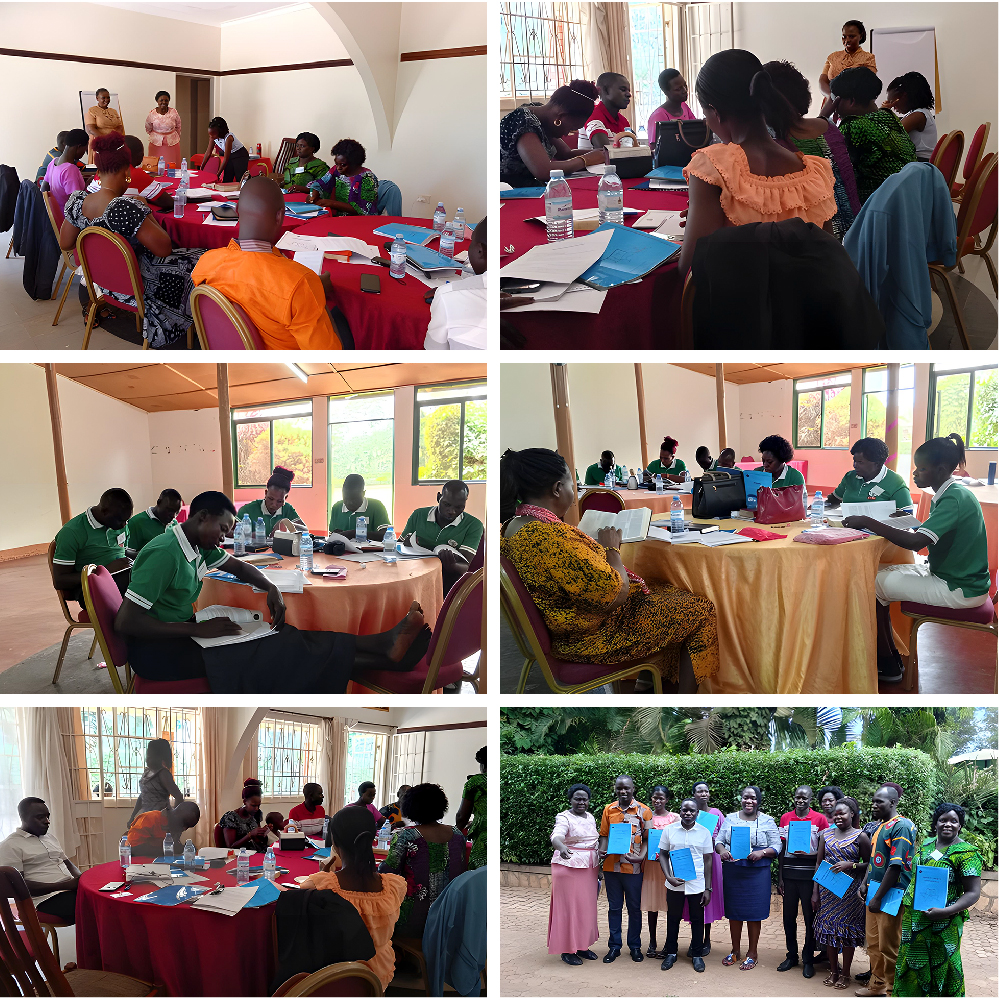
In a world where children face increasing challenges—from broken families to abuse and emotional trauma—mentorship rooted in God’s Word is not just helpful; it’s essential. KICA Transforms Ministry (KTM) recognizes this pressing need and, in September 2024, took a significant step to empower its frontline mentors through an impactful three-day training. This training focused on Community Bible Study, Child Protection, Psychosocial Support, and Monitoring and Reporting—key areas for nurturing healthy, resilient children.
Held from the 3rd to the 5th of September, the training brought together 12 dedicated mentors and 4 KTM staff members. The program was a blend of practical knowledge and spiritual enrichment, designed to equip mentors for deeper impact in their communities. At its core, the training reflected KTM’s mission: “Reflecting God’s Mercy” through holistic child and leadership development.
Each day began with vibrant morning devotions. These sessions were filled with praise, worship, Scripture sharing, and prayer, setting a spiritual tone for the day. Mentors were reminded that their work is a divine calling, reigniting their passion to guide children with love, patience, and purpose.
A major highlight of the training was a session on how to teach the Bible to children through community Bible study. A facilitator from Community Bible Study Uganda introduced a four-level curriculum tailored for various age groups and learning abilities. This structured approach ensured that Bible teaching would be both age-appropriate and spiritually enriching.
The Bible study curriculum included Level 1 for very young children using storytelling and illustrations, Levels 2 and 3 for school-aged children who could read and write, and Level 4 for older youth who could handle in-depth, book-by-book Bible study. Mentors were trained to categorize children by age and ability for effective delivery. The emphasis was on making learning participatory and transformative.
Mentors also received practical training on Monitoring, Visits, and Report Writing. This session offered step-by-step guidance on conducting effective home and school visits and emphasized the importance of proper documentation. These skills are crucial in tracking a child’s wellbeing and building trust with families and communities.
Another crucial topic was child protection, especially in identifying, preventing, and responding to abuse and exploitation. Mentors learned about children’s rights, common forms of abuse, and how to support victims compassionately. They were reminded that they are guardians—both spiritually and physically—who must actively defend every child's dignity.
The training also addressed the emotional struggles children face, highlighting the importance of psychosocial support. Mentors were taught to recognize behavioral warning signs and offer care through listening, affirming, and being consistently present. This session reinforced that beyond teaching, mentors are emotional lifelines for children burdened by trauma.
The impact of the training was almost immediate. In regions like Pader and Kitgum, mentors returned home and organized center days where they applied the new strategies. Using locally available materials, they made Bible lessons more interactive and enjoyable. These early actions showed the training’s effectiveness in driving real change.
More than just a workshop, this training renewed the mentors’ sense of purpose. It equipped them with the spiritual depth, emotional sensitivity, and practical skills needed to transform lives. KTM’s strategy to invest in mentors is shaping a future where children can grow, heal, and thrive.
KTM remains unwavering in its vision of “Societies transformed for development.” By empowering mentors, the ministry creates ripple effects of transformation—spreading hope and change from one child to entire communities, and ultimately, across generations.