
From War to Wisdom: Developing Leaders in Northern Uganda
Northern Uganda has come a long way from its painful past of over two decades of war. For more than 22 years, the region endured unimaginable suffering, displacement, and the breakdown of social systems. However, the last ten years have seen a fragile but promising peace take root. As this peace continues to hold, a new challenge has emerged—how to rebuild the region and who will lead the process of recovery and transformation. At the heart of this lies a need for visionary and ethical leadership.
Recognizing this critical need, Kica Transforms Ministry (KTM) set out to address the leadership vacuum in post-war Northern Uganda. Inspired by the words of African scholar Tokunboh Adeyemo, who once observed that Africa suffers not from a lack of resources but from a crisis of leadership, KTM developed a vision to raise transformational leaders. The ministry recognized the untapped potential of church and community leaders, many of whom had been sidelined by years of conflict and now found themselves ill-equipped to influence meaningful change.
One of the core observations KTM made was the prevalence of nominal Christianity among the population. While churches were full, their impact on societal transformation was limited. The Christian faith, though widespread, had not been deeply internalized or translated into community change. This realization drove KTM to implement a contextual integral leadership model—a program that would equip leaders not only with leadership skills but also with a solid Christian worldview. The goal was to empower leaders who could inspire, guide, and sustain community transformation, rooted in both practical skills and spiritual depth.
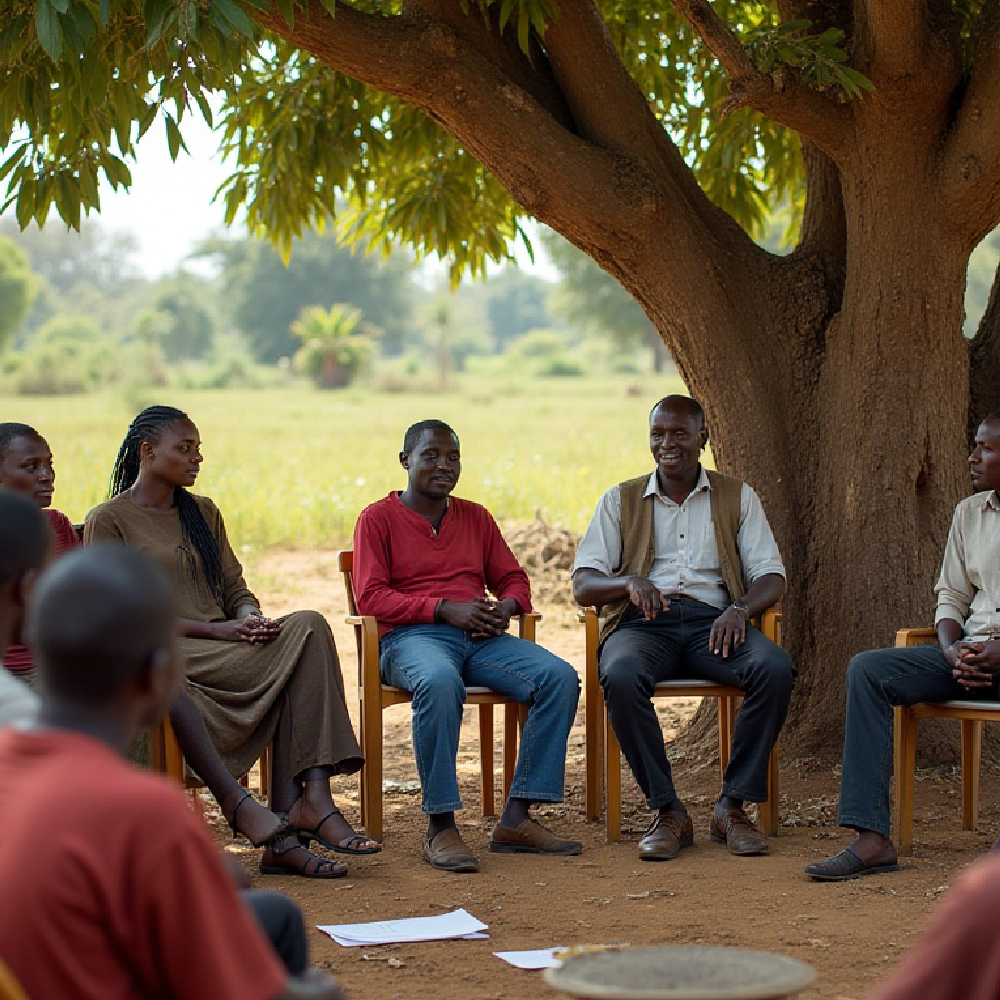
Over the past years, this vision has begun to bear fruit. KTM’s leadership development program targeted a diverse group of individuals including pastors, youth leaders, professionals, and community influencers across the districts of Gulu, Kitgum, Pader, and Lira. These leaders participated in a variety of activities—training seminars, mentorship programs, learning visits, income-generating initiatives, and youth leadership workshops. Each activity was designed to challenge, equip, and inspire them to become change agents in their own communities.
The impact has been tangible. Many of the leaders have reported a shift in their mindset—embracing servant leadership and adopting a vision for community transformation. Some are now mentoring younger leaders, while others have started small businesses that provide income and respect within their communities. Several church leaders have deepened their engagement in spiritual formation practices such as prayer, Bible study, and discipleship. Support groups formed through the program continue to meet, offering encouragement and accountability.
Beyond personal growth, there have been community-level shifts. Leaders trained by KTM are now mediating family and tribal conflicts, providing counseling to the vulnerable, and advocating for the marginalized. They have become visible symbols of hope and restoration in regions still struggling with the scars of war. These leaders are not only solving local problems—they are changing the narrative of leadership in Northern Uganda.
Sustainability has also been a core pillar of the program. KTM placed a strong emphasis on using locally available resources, ensuring that the community does not become dependent on external support. Through continuous follow-ups, regular reporting, and community mobilization, KTM has created a model that is both scalable and adaptable. The leadership of KTM, with over 25 years of experience working in Northern Uganda, has provided consistent guidance throughout the process.
Looking back, the journey so far has reaffirmed KTM’s belief that true transformation begins with strong, principled, and compassionate leaders. The region may still face many challenges, but there is now a rising generation of leaders who are ready and equipped to navigate the complexities of post-conflict recovery. The seeds have been sown. The fruit is beginning to show. With continued support, Northern Uganda’s story is turning into one of resilience, hope, and redemption—one leader at a time.