
Rebuilding Broken Lives: What We Learned from Healing Refugee Communities in Uganda
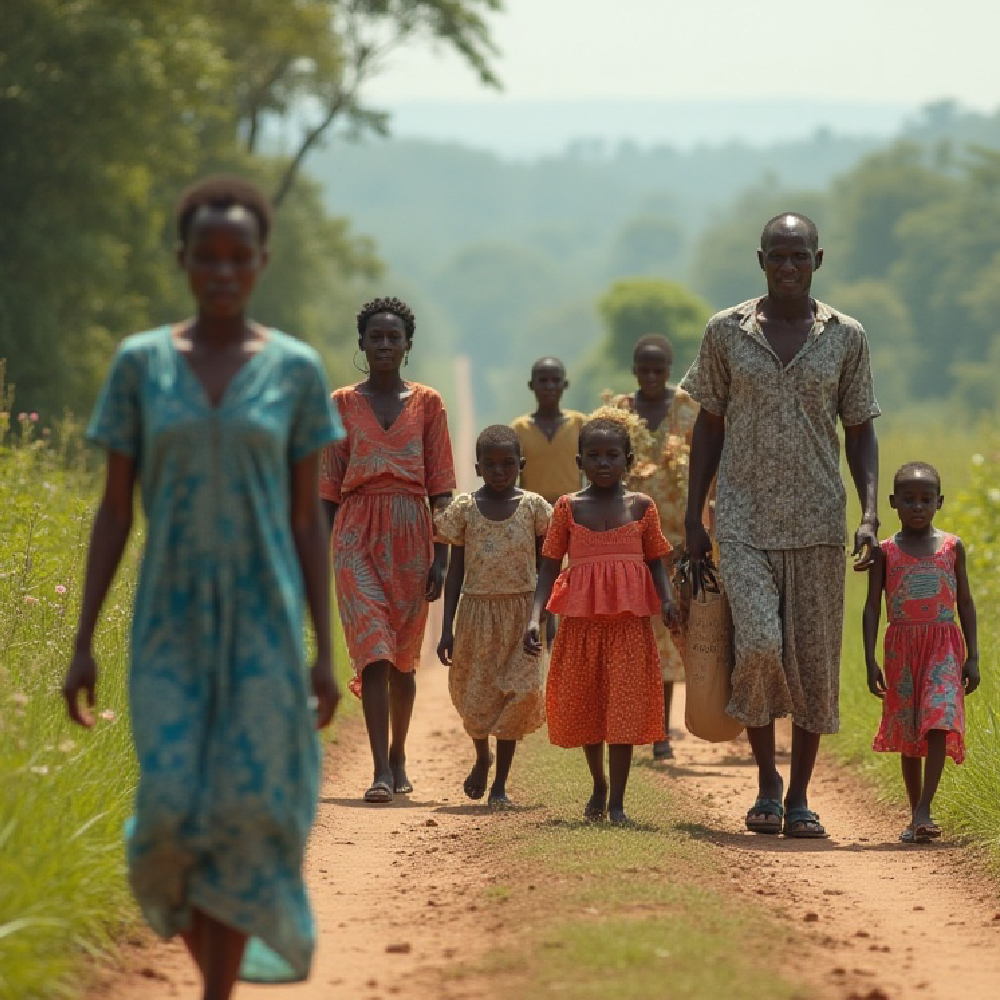
In 2022, KICA Transforms Ministry (KTM) conducted trauma healing and peacebuilding training for refugees living in Uganda. Uganda currently hosts over 1.5 million refugees from conflict-affected nations such as South Sudan, the Democratic Republic of Congo, and Rwanda. These refugees arrive not only with physical wounds but also with deep emotional scars and spiritual crises caused by war, displacement, and personal loss.
As a ministry devoted to “Reflecting God’s Mercy” through holistic development, KTM designed the training to address both external trauma and hidden internal battles. What emerged were powerful lessons and valuable insights that deepened our commitment and understanding of how to serve this vulnerable population more effectively.
One of the most striking realities we observed is how deeply trauma runs and how long healing takes. Many participants had witnessed violence, lost family members, or endured personal violations. Although physically safe in Uganda, they continued to suffer emotionally and spiritually. We learned that without a holistic approach, trauma can linger and silently damage entire communities for years.
A major turning point came from the faith-based aspect of our training—specifically the teaching on biblical forgiveness. Participants testified that while they had attended other peace trainings, this one was different. Learning to forgive, as Christ forgives, gave them the strength to release years of anger, pain, and bitterness. This revealed the power of spiritual healing that speaks to the soul and not just the mind.
In several refugee settlements, we encountered generational tribal hatred rooted in misinformation and inherited pain. Dialogue between members of historically opposed tribes created powerful breakthroughs. When people shared stories and listened to one another, it shattered long-held myths. We witnessed the beginnings of reconciliation born from shared truth.
Testimonies played a vital role in building trust within the training. Both facilitators and participants shared their personal struggles, opening the door for others to speak freely. This created a safe space where participants felt heard and valued. More than just storytelling, testimonies became a bridge to healing and a tool for breaking emotional barriers.
One of the key strategies that worked well was training local leaders to be multipliers of healing in their communities. This cascading model not only reduces cost but also fosters ownership. When local leaders feel equipped and responsible, healing can continue long after initial interventions end. It’s a sustainable and scalable approach to transformation.
Before launching the training, we held inception meetings to engage directly with the refugees and understand their needs. Listening first helped us design content that was not only relevant but also respectful of each community’s context. These meetings strengthened trust and boosted the effectiveness of our sessions.
Continued support emerged as a critical factor. Healing is not a one-time event; it’s a process. We realized that follow-up visits, mentorship, and consistent engagement are necessary to maintain momentum. Without ongoing support, many refugees risk slipping back into hopelessness or despair.
Despite the training's success, several challenges surfaced. COVID-19 restrictions disrupted our plans and delayed activities. Language barriers created division when some tribes could not access translations. Poor infrastructure made travel and logistics difficult, and high illiteracy among women limited how much they could benefit. Additionally, we found that many refugees had lost hope of returning home, and some felt abandoned by both governments and the Church.
Finally, we learned that pastors and faith leaders are crucial in these settings but are often under-resourced. Some communities felt the Church no longer addressed their real issues. There’s an urgent need to equip pastors—not only with institutional backing but with independent tools, training, and emotional support so they can serve effectively in crisis environments.
The trauma healing and peacebuilding work by KTM in 2022 was both a ministry of mercy and a journey of discovery. We’ve seen that while pain may run deep, healing is truly possible—especially when it is anchored in faith, nurtured by community, and supported with compassion. We remain steadfast in walking alongside refugee communities, committed to restoring hope and reflecting God’s mercy in every step.